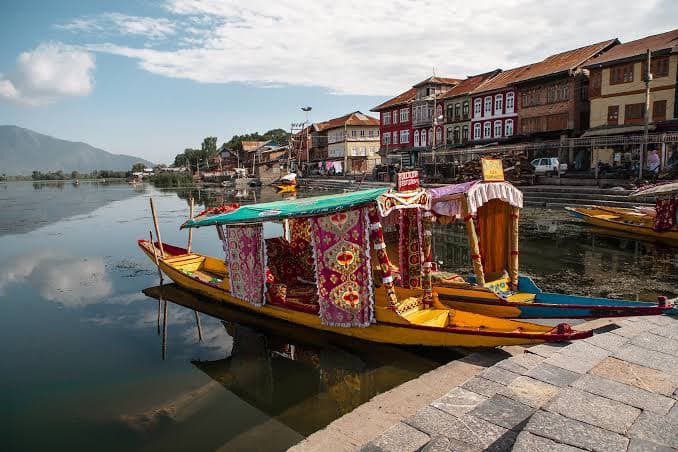
Kashmir is generally very welcoming and safe for tourists, known worldwide for its hospitality (Kashmiriyat). However, because of its unique geography, weather, and administrative regulations, keeping a few key practical and safety tips in mind will ensure a smooth trip.
Below is the complete breakdown of each essential tip, plus a quick-reference checklist you can save before your trip.
1. Connectivity: You'll Need a Postpaid SIM Card
Key takeaway: Standard prepaid SIM cards purchased outside Jammu & Kashmir automatically stop working once you enter the union territory due to government telecom security regulations.
If you're relying on a prepaid SIM from Delhi, Mumbai, or anywhere else in India, it will lose signal at the border. This is not a network issue—it's a regulatory requirement.
Your options:
Carry a postpaid connection. Jio, Airtel, and BSNL offer the best coverage across the valley.
Buy a local prepaid tourist SIM upon arrival at Srinagar Airport or local phone shops. You'll need your Aadhaar card or passport, plus passport photos.
If you're traveling with only a prepaid SIM and no backup plan, you'll be offline for your entire trip. Plan accordingly.
2. Book Gulmarg Gondola Tickets Well in Advance
Key takeaway: Book Phase 1 and Phase 2 Gondola tickets strictly through the official J&K Cable Car Corporation online portal as soon as your travel dates are fixed.
The Gulmarg Gondola is one of the most popular attractions in Kashmir, and tickets routinely sell out 30–60 days ahead during peak season. If you show up expecting to buy tickets on the spot, you'll likely be disappointed.
What to avoid:
Do not rely on local brokers or touts offering last-minute tickets at inflated rates.
Do not assume you can figure it out after you arrive.
Book official. Book early. This is non-negotiable during peak months (December–February for skiing, May–June for summer visits).
3. Understand Local Taxi Union Rules
Key takeaway: Taxis hired in Srinagar (or private cabs from outside the state) are usually not permitted to do internal sightseeing inside Pahalgam (Aru, Betaab Valley, Chandanwari) or Sonamarg (Thajiwas Glacier).
This catches many travelers off guard. You might hire a cab in Srinagar for your entire trip, only to discover that your driver cannot take you to the specific local sights you came to see.
What you need to do:
Hire a local taxi union cab or pony at designated union stands in Pahalgam or Sonamarg for those specific local circuits.
Budget for these local transfers separately. They are not included in your main cab fare.
Factor this into your travel budget before you go. The additional cost is usually modest, but the surprise is avoidable.
4. Identity Documents & Security Routine
Key takeaway: Always carry original government-issued photo IDs for every traveler, and cooperate with security checkpoints—they are routine and designed for public safety.
Security checkpoints along highways, airport routes, and major sightseeing spots are standard procedure in Kashmir. This is not a sign of danger; it's simply how the region operates.
What to carry:
Aadhaar
Passport
Driving License
Voter ID
Keep these handy, not buried in your luggage. You may be asked to show them at multiple points during your trip.
5. Cash & Digital Payments: Carry Both
Key takeaway: UPI and card payments work reliably in main hubs like Srinagar, Gulmarg, and main town markets—but carry physical cash for offbeat or higher-altitude areas.
In places like Doodhpathri, Gurez, or the internal valleys of Pahalgam, mobile network coverage can drop. When it does, UPI and cards become useless.
Keep sufficient cash for:
Pony rides
Local tea stalls
Shopping
Driver tips
Don't assume digital payments will work everywhere. A few thousand rupees in cash is a reasonable safety net for a multi-day trip.
6. Weather & Layered Packing
Key takeaway: Mountain weather can change quickly even during summer months. Layer your clothing and pack for variable temperatures.
Spring/Summer (April–September): Cotton clothes during the day, plus a light jacket or cardigan for cool evenings.
Autumn/Winter (October–March): Heavy winter jacket, thermal innerwear, waterproof boots, gloves, and woolen caps.
The temperature difference between sunny afternoons and shaded evenings can be significant. Dressing in layers lets you adapt without carrying a bulky bag everywhere.
7. Cultural Sensitivity & Respect
Key takeaway: Dress modestly when visiting religious or cultural landmarks, and always ask permission before photographing local residents.
When visiting sites such as Hazratbal Shrine, Jamia Masjid, or Shankaracharya Temple, cover your shoulders and knees. Headscarves are recommended for women at certain shrines.
Photography etiquette:
Always ask for permission before taking photographs of local residents, especially women or security personnel.
A polite request goes a long way. Most people will say yes if you ask respectfully.
Kashmir's hospitality is genuine, and respecting local customs ensures it stays that way for everyone.
Quick Reference: Kashmir Travel Checklist Item Action Required :
- SIM Card Carry postpaid or buy local tourist SIM at Srinagar Airport
- Gulmarg Gondola Book official tickets 30–60 days in advance
- Local Taxis Budget separately for union cabs in Pahalgam/Sonamarg
- ID Documents Carry originals for every traveler, keep accessible
- Cash Carry physical cash for offbeat areas; UPI works in main hubs
- Clothing Layer year-round; heavy winter gear October–March
- Cultural Sites Cover shoulders/knees; ask before photographing people